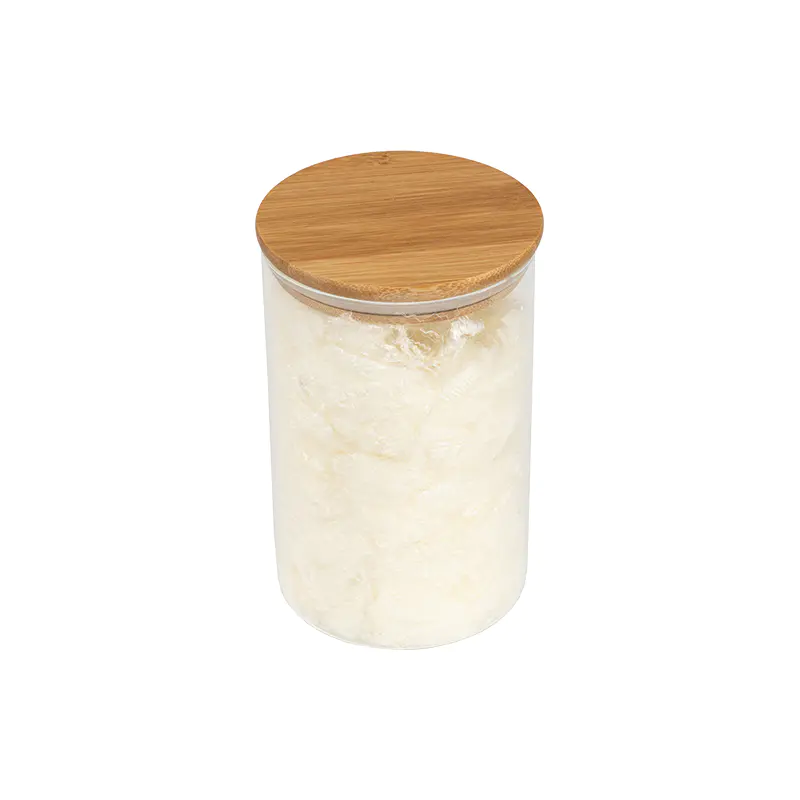
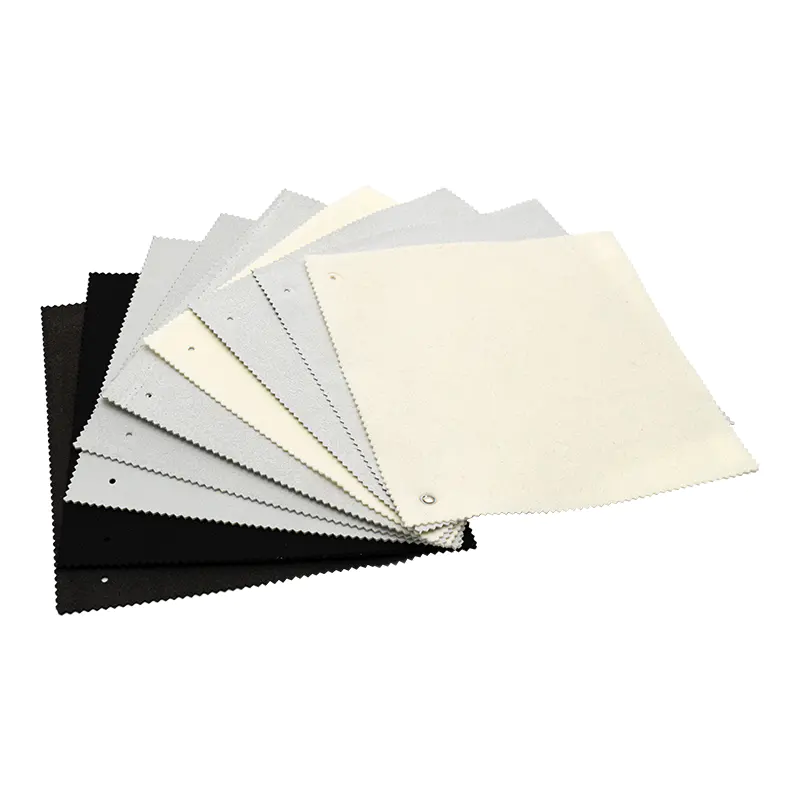
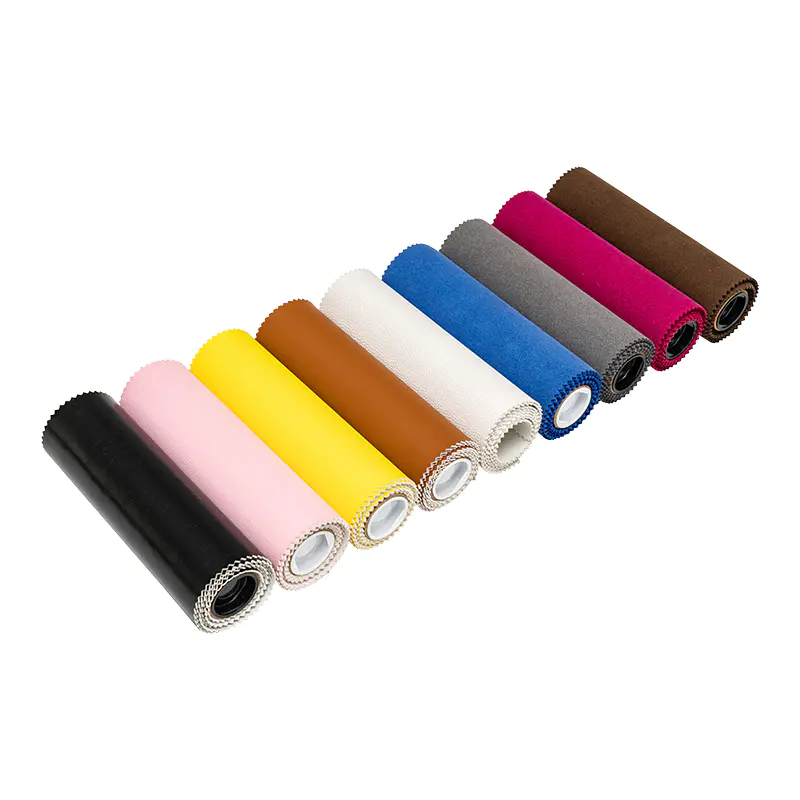
Water-soluble sea island fiber is a bicomponent fiber made of two polymers — typically a polyester (sea) component and a water-soluble polymer such as PVA (polyvinyl alcohol) or COPET as the dissolvable "island" or matrix phase. When the fiber is exposed to hot water during processing, the soluble component dissolves completely, leaving behind ultra-fine filaments as thin as 0.001 to 0.0001 denier per filament — far finer than what conventional spinning can achieve directly. This dissolving process is what makes the fiber valuable for producing microfiber textiles used in synthetic suede, high-density cleaning cloths, and artificial leather.
In short: manufacturers use water-soluble sea island fiber as an intermediate material, not a finished textile. The water-soluble portion is sacrificial — its job is to dissolve away, revealing microfilaments that would otherwise be impossible to produce with standard extrusion equipment. The sections below break down the composition, how it's manufactured, and where it's used commercially.
Sea island fiber gets its name from its cross-sectional structure: under a microscope, tiny "island" filaments (the insoluble component) are dispersed within a continuous "sea" of soluble polymer — or in some configurations, the reverse arrangement is used. Two material combinations dominate commercial production.
Polyvinyl alcohol (PVA) serves as the water-soluble sea component, dissolving in hot water typically between 70°C and 95°C. The island component is usually polyester (PET) or nylon (PA6). PVA is favored for its high dissolution rate and minimal residue, making it the most widely used system in microfiber leather production.
Co-polyester (COPET) is an alternative soluble matrix, often chosen for lower production cost. It generally requires alkaline hot water treatment rather than plain hot water, and dissolves slightly slower than PVA, which can be an advantage in processes requiring more controlled, gradual separation.
| Property | PVA Sea Component | COPET Sea Component |
|---|---|---|
| Dissolution medium | Hot water | Alkaline hot water |
| Dissolution temperature | 70°C - 95°C | 90°C - 100°C |
| Typical island count | 16 to 1000+ islands/filament | 16 to 100 islands/filament |
| Relative cost | Higher | Lower |
Producing sea island fiber requires precision bicomponent extrusion equipment and a multi-stage process. The core steps are consistent across manufacturers, though island count and filament fineness vary by spinneret design.
The number of "islands" per filament is a key production variable. Standard sea island fiber ranges from 16 islands for moderate fineness up to several hundred or even over 1,000 islands per filament for ultra-premium synthetic suede applications, where filament fineness can reach 0.0001 denier.
Because the dissolution step produces filaments far finer than conventional spinning allows, sea island fiber serves industries that depend on extreme softness, high surface area, and dense fiber packing.
A common question is why manufacturers don't simply spin ultra-fine fiber directly rather than going through a dissolve-and-extract process. The answer comes down to physical limitations of melt spinning.
| Factor | Sea Island Fiber Process | Direct Melt Spinning |
|---|---|---|
| Achievable fineness | Down to 0.0001 denier | Practical limit around 0.5-1 denier |
| Process complexity | Higher (bicomponent + dissolution) | Lower (single-step extrusion) |
| Filament uniformity | Very high, controlled by island count | Limited by spinneret hole size and melt stability |
| Best suited for | Synthetic suede, premium microfiber goods | General textile and apparel fiber |
For textile manufacturers and converters evaluating suppliers, a few specifications determine downstream fabric quality:
Water-soluble sea island fiber is an engineered intermediate material, not a final product — its water-soluble "sea" component is designed to dissolve away in hot water, revealing bundles of ultra-fine "island" microfilaments that conventional spinning cannot produce directly. This makes it the foundational technology behind synthetic suede, premium microfiber cleaning cloths, and high-end textile linings. Buyers and manufacturers should evaluate island count, sea/island ratio, and polymer type carefully, since these factors determine the softness, cost, and performance of the finished microfiber product.
Wasserlösliche Sea-Island-Faser ist eine hochwertige, technische Textilfaser, die löst sich unter kontrollierten Temperaturbedingungen vollständig in Wasser auf Hinterlässt ultrafeine Sea-Island-Baumwoll- oder Bastfaserstrukturen ohne chemische Rückstände. Kurz gesagt: Es ermöglicht ...
READ MORE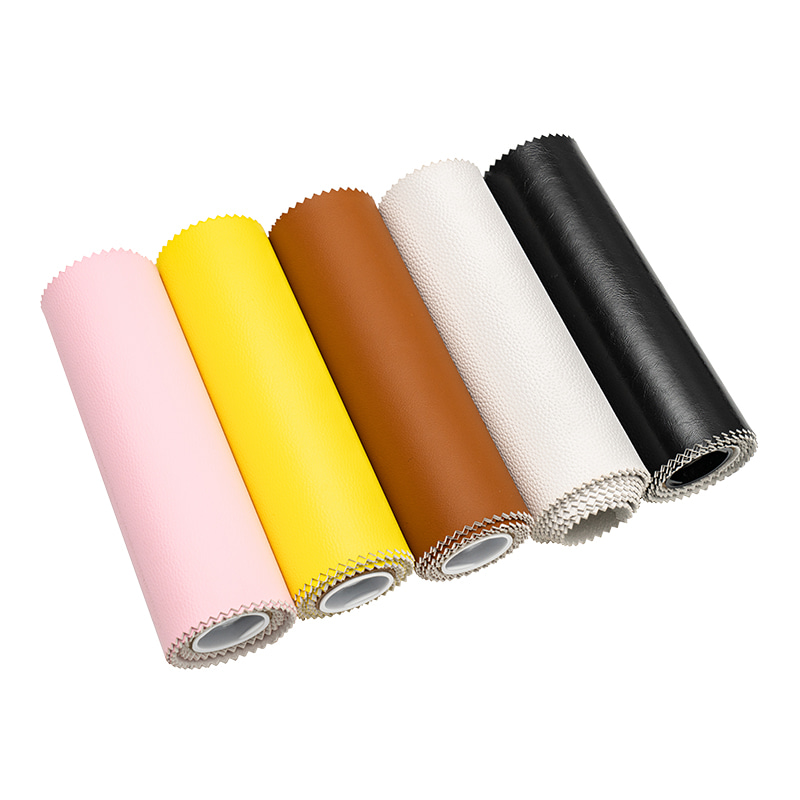
Einführung in wasserlösliche Sea-Island-Fasern Was ist Wasserlösliche Sea-Island-Faser ? ...
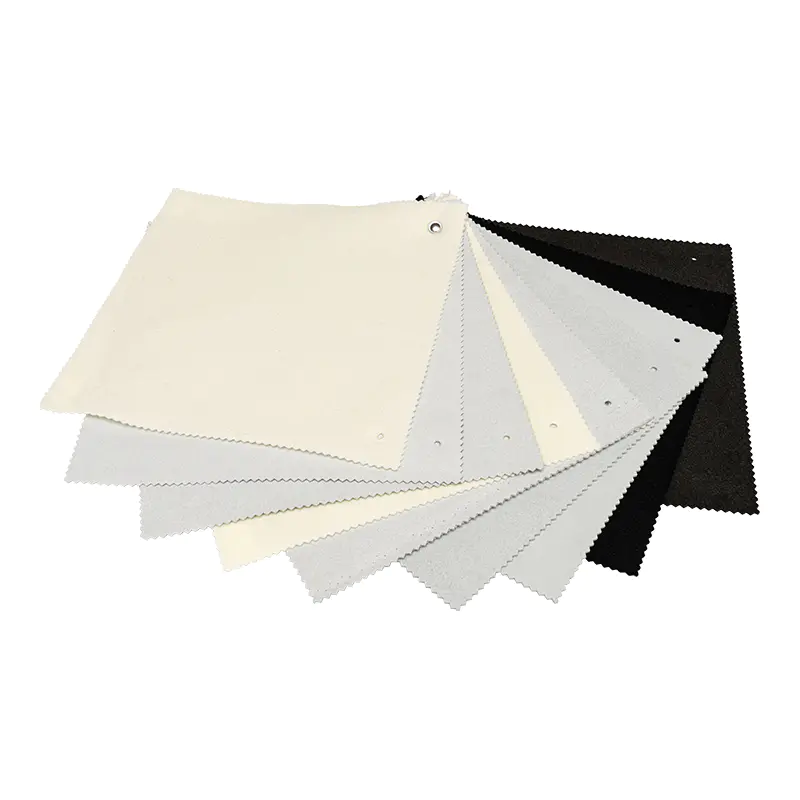
Was sind wasserlösliche Insel-im-Meer-Fasern? Wasserlösliche Sea-Islund-Faser ist ein bahnb...
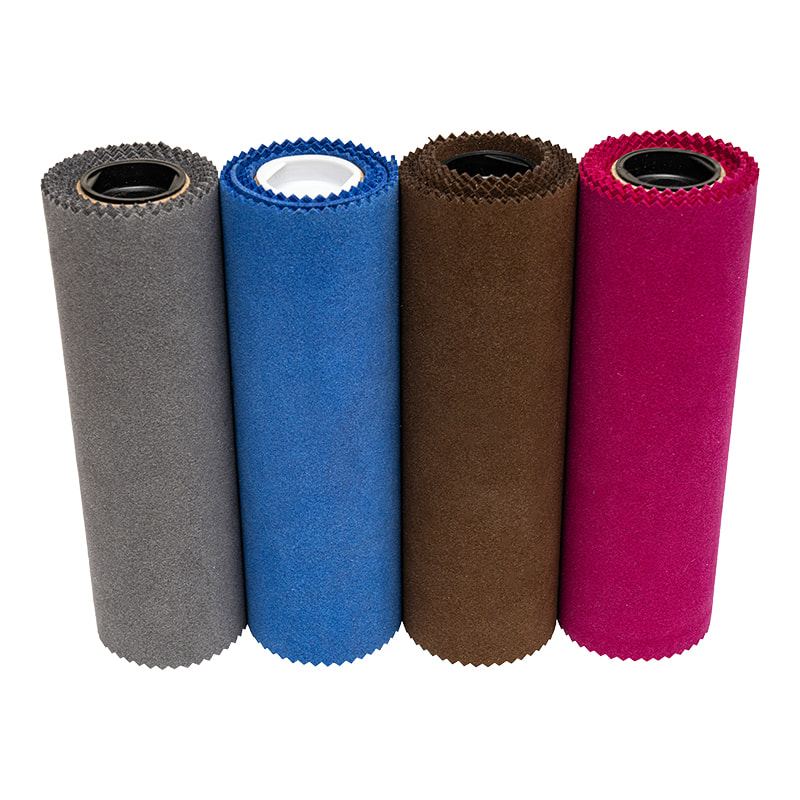
Einführung von Mikrofasergewebe auf Wasserbasis Was ist Mikrofaserstoff? Mikrofasergewebe ist eine Te...
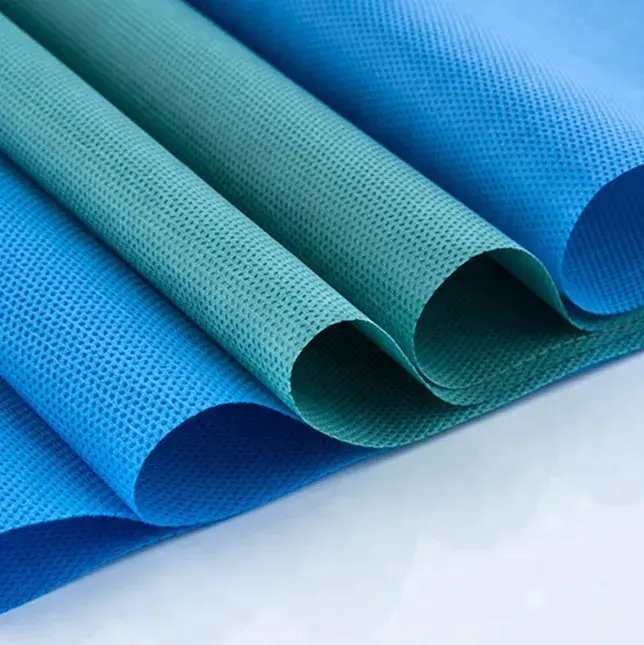
Einführung Der wasserlösliche Vliesstoff aus Meeresinselfasern ist eine bahnbrechende Innovation in der ...
Was sind wasserlösliche Meer-Insel-Fasern? Definition und Grundstruktur Wasserlösliche Sea-Island-Fas...
Ningbo Hengqide Chemical Fiber Technology Co., Ltd. Alle Rechte vorbehalten. ALL RESERVED.